CABINET DE CURIOSITéS
THE CONCEPT
FixPoint Company conceives its exposition as a living cabinet de curiosités.
A space where objects are not merely displayed — they are activated.
Rooted in funeral rituals from around the world, the exposition draws inspiration from real burial practices and the ways societies accompany death through gesture, object, and ceremony. It explores how humans use symbols and rituals to navigate life’s great passages: loss and love, fear and celebration, transformation and transition.
Puppets, tools, fragments, images, lights, and sounds coexist as carriers of memory, presence, and meaning, echoing lived traditions.
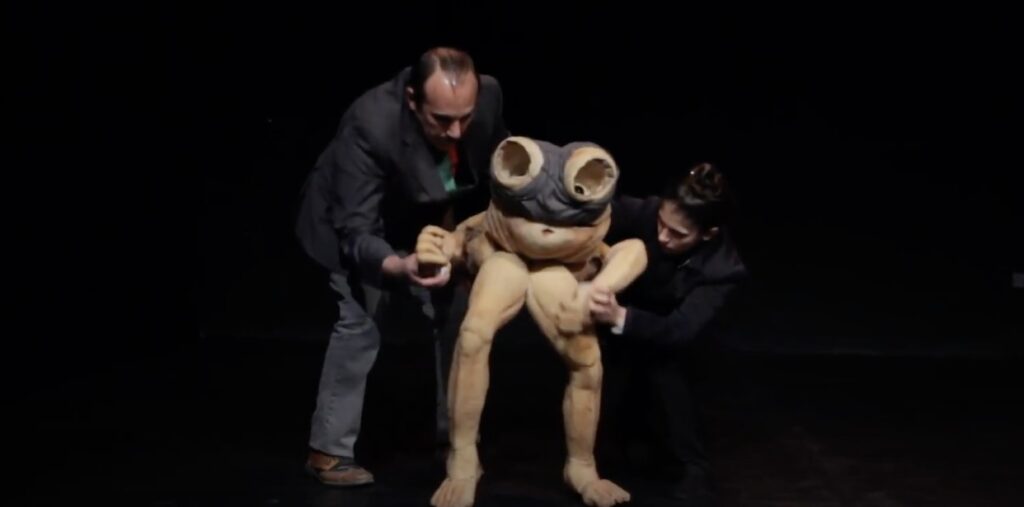
The exposition functions as a contemporary ritual chamber — a place of pause within a fast-moving world. Actors and puppeteers animate the space with humour, delicacy, and respect, allowing laughter and tenderness to coexist with mourning.
Visitors are invited to wander, observe closely, and participate in simple ritual actions inspired by funeral practices from different cultures. Engagement remains gentle and playful, creating a relaxed atmosphere where curiosity and laughter can naturally emerge.
Designed for museums, cultural institutions, and theatres, the exposition offers an immersive, cross-cultural experience that resonates with the universal while honoring the specific. It is not an exhibition to be consumed quickly, but an encounter to be felt, remembered, and returned to.

Barcelona Film Festival
Best Actress
Winner
Movie Awards
Best Director
Best Music
Nominee
Winner
Asian Film Awards
Best Music
Best Screenplay
Best Actor
Winner
Winner
Nominee
Budapest Film Festival
Best Screenplay
Winner
Tibet
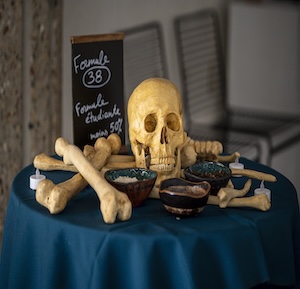
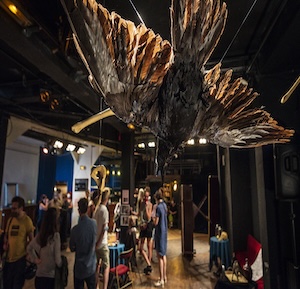
Sky burial is a method of disposing of the dead practiced in India and Tibet, where corpses are exposed to the open air to be consumed by vultures. The soul is believed to continue to exist, unlike the body, which becomes an empty shell that must return to nature.
This ritual allows the soul to reach the sky in complete serenity. An embalmed raven, with its wings and beak fully open, is suspended in the air and surrounded by bones, awaiting you in the room.
Indonesia
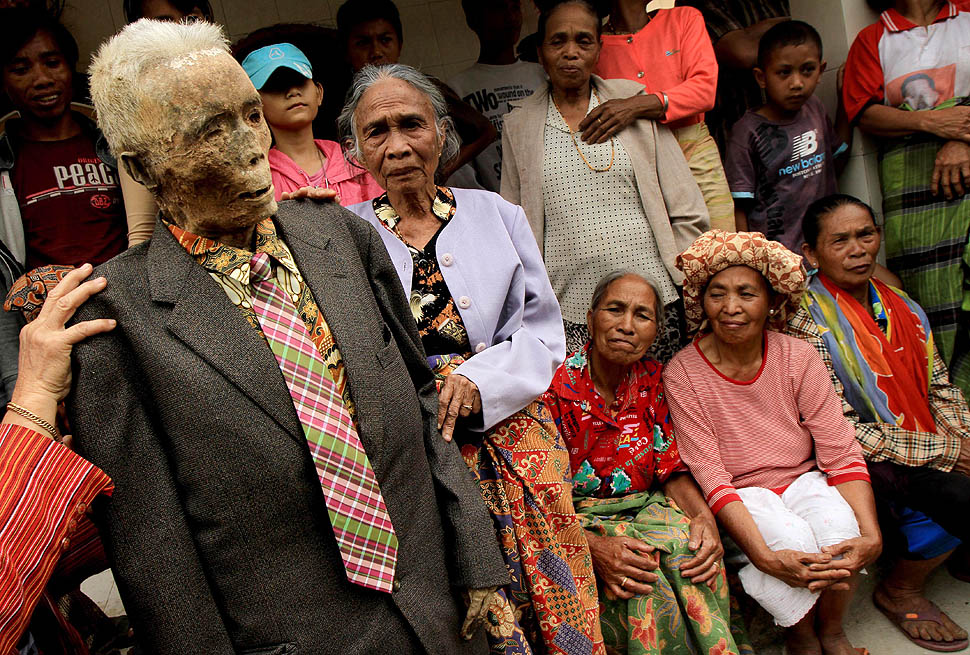
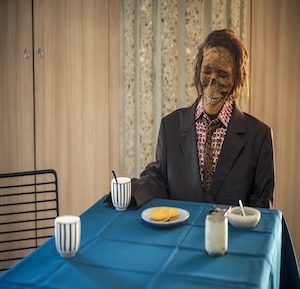
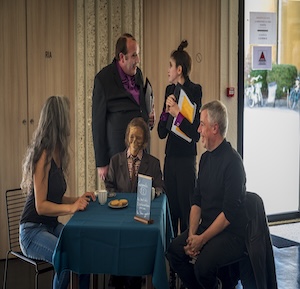
Among the Toraja people, once a year, the dead come back to life. Death is seen as a celebration involving all family members. After death, the body is mummified. During this ritual, called Ma’nene, the corpses are taken out of their coffins to be cleaned, dressed, styled, and made up.
The event is celebrated with great pomp, music, meat, and dance. A mummified body named Boudie is seated at a table with a little coffee and some biscuits, waiting for you to come and chat with him and take a photo together, as if he were alive.
Ghana
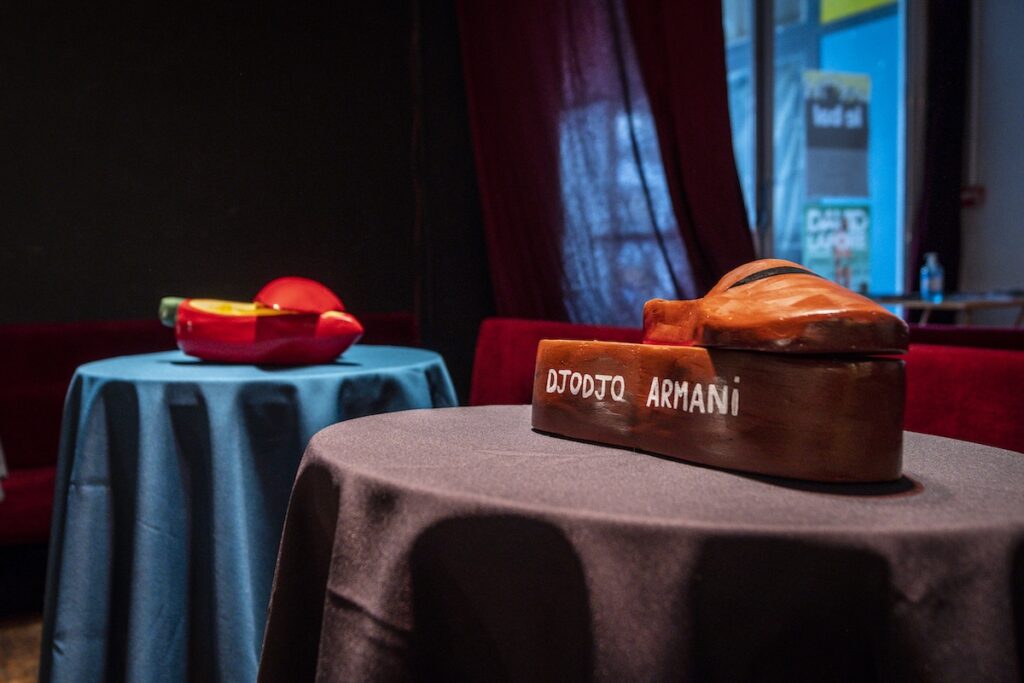
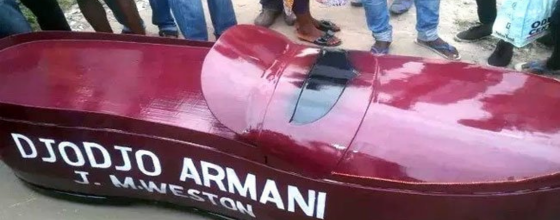
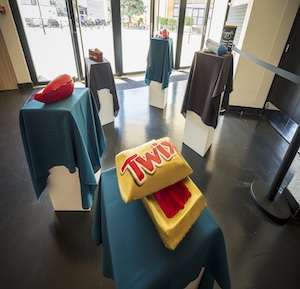
In the city of Teshie, artisans are renowned for the creation of figurative coffins. This funerary tradition has been practiced among the Ga people of the Accra region since the 1950s. Crafted in specialised workshops, these coffins are conceived as symbolic representations of the deceased, reflecting their profession, social role, or personal aspirations. A large red snapper for a fisherman, a cooking pot for a housewife…
Presented here is a selection of figurative coffins in a variety of forms, illustrating the diversity, creativity, and symbolic richness of this practice. Visitors are invited to observe and interpret these objects as expressions of identity, memory, and cultural continuity.
Western Countries
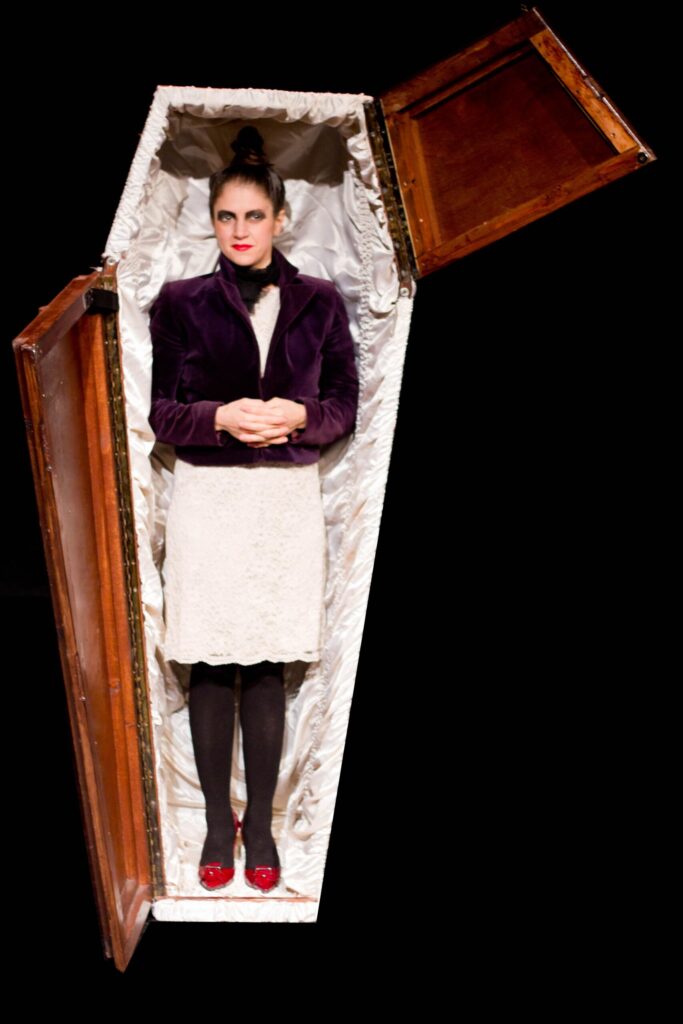
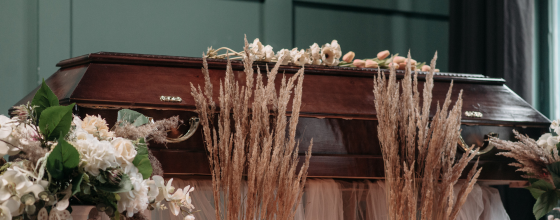
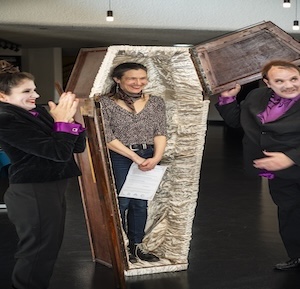
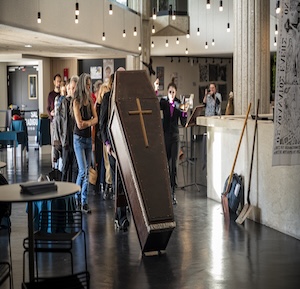
A large coffin, measuring 1.75 metres and equipped with wheels, is ready to take you for a little ride around the room. Visitors are invited to step in and try it out—after all, comfort matters.
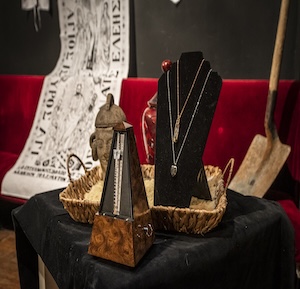
Also on display are urns for humans and animals in a variety of sizes and styles: traditional, whimsical, or jewellery-like. Designed to keep the departed close, these objects invite us to rethink how memory, intimacy, and farewell can take shape.
Egypt